
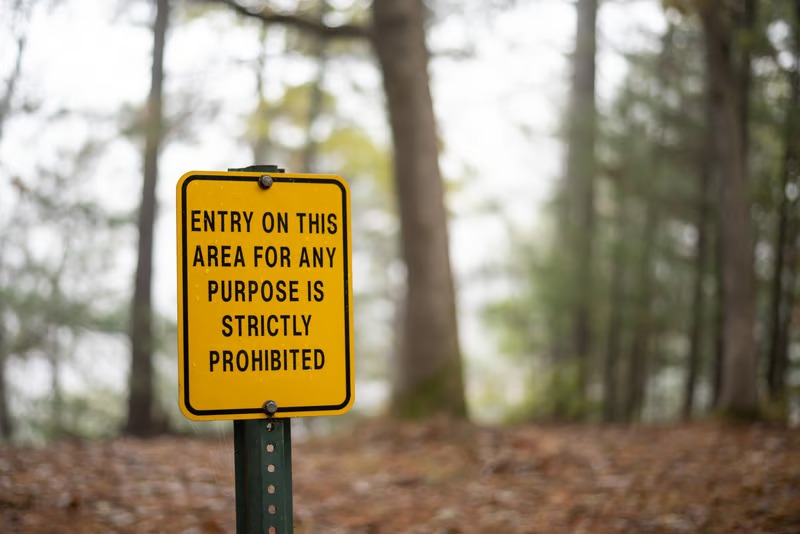
In recent years, there has been a growing awareness of the importance of protecting our natural landscapes. As development continues to encroach on habitats, many landowners are looking for ways to preserve their land while still maintaining ownership. This is where conservation easements come into play. They offer a solution that balances land use with environmental protection. In this article, we will explore what conservation easements are and how they work to safeguard our precious habitats.
What Are Conservation Easements?
At their core, conservation easements are legal agreements between a landowner and a land trust or government agency. These agreements limit the type and amount of development that can occur on a piece of land. By doing so, they help protect the land’s natural resources and ecological values. Conservation easements can cover various types of land, including forests, wetlands, and agricultural areas.
When a landowner places a conservation easement on their property, they voluntarily agree to restrict certain activities. This might mean limiting construction, preventing commercial activities, or ensuring that the land remains available for public use. The terms of the easement can vary widely depending on the landowner’s goals and the needs of the habitat.
By establishing a conservation easement, landowners can ensure that their land is preserved for future generations. This is particularly important in areas facing significant development pressure. With more people moving to urban areas, the need to protect open spaces is more pressing than ever.
The Purpose of Conservation Easements
The primary purpose of conservation easements is to protect the environment. They help conserve biodiversity, maintain wildlife habitats, and preserve the natural beauty of landscapes. By restricting development, these easements prevent habitat fragmentation, which can be detrimental to many species.
Conservation easements also play a significant role in safeguarding water resources. They help protect the quality of streams, rivers, and lakes by preventing pollution and runoff from nearby developments. This is crucial not just for wildlife but also for the communities that rely on these water sources.
Additionally, conservation easements can support agricultural land. By ensuring that farmland remains protected from development, these agreements help promote local food systems and sustain rural economies. Farmers can continue their operations without the threat of encroaching urban development.
How Conservation Easements Work
Conservation easements are tailored to meet the specific needs of the landowner while also fulfilling conservation goals. The process typically begins with a landowner expressing interest in establishing an easement. They often work with a land trust or conservation organization to draft the terms of the agreement.
Once the easement is in place, it is recorded with the local government. This ensures that future owners of the property are also bound by the terms of the easement. In many cases, land trusts will monitor the property regularly to ensure compliance with the easement terms. This ongoing stewardship is vital for maintaining the ecological integrity of the land.
One of the significant benefits of conservation easements is that they can provide tax advantages for landowners. In some cases, landowners may qualify for income tax deductions based on the value of the easement. This can help offset the financial impact of placing restrictions on their property.
The Benefits of Conservation Easements
Conservation easements offer numerous benefits to landowners, wildlife, and local communities. For landowners, the opportunity to preserve their land can be deeply fulfilling. It allows them to leave a legacy while ensuring that their property remains intact for future generations.
In addition to the emotional benefits, landowners can enjoy financial perks as well. The tax advantages associated with conservation easements can be significant, making this option appealing for many individuals. By reducing the taxable value of their property, landowners can sometimes lower their estate tax burden.
Wildlife also greatly benefits from conservation easements. By preserving habitats, these agreements help support biodiversity and protect endangered species. Many animals rely on specific habitats for survival, and conservation easements play a crucial role in maintaining those environments.
Local communities are another group that benefits from conservation easements. By preserving open spaces, these agreements contribute to the overall quality of life for residents. Access to parks and natural areas can enhance community health and well-being, providing spaces for recreation and relaxation.
Challenges of Conservation Easements
While conservation easements offer many advantages, they are not without challenges. One of the primary concerns for landowners is the potential loss of property rights. By placing an easement on their land, they are agreeing to limit how they can use it in the future. This decision can be difficult for some landowners, particularly if they have development plans.
Another challenge is the long-term enforcement of easement agreements. Once an easement is established, land trusts need to monitor the property and ensure that the terms are being upheld. This ongoing responsibility requires resources and commitment from the organization managing the easement.
Additionally, there can be misunderstandings about the purpose and function of conservation easements. Some landowners may feel that they are giving up too much control over their property, leading to hesitancy in pursuing this option. Education and clear communication about the benefits and responsibilities of conservation easements are crucial to overcoming these misconceptions.
The Role of Land Trusts
Land trusts play a vital role in the establishment and management of conservation easements. These nonprofit organizations work to protect land for public benefit. They often collaborate with landowners to develop easement agreements that align with conservation goals while respecting the landowner’s wishes.
Land trusts are also responsible for monitoring easements to ensure compliance. This includes regular site visits to assess the condition of the land and confirm that no prohibited activities are taking place. If violations occur, land trusts have the authority to enforce the terms of the easement, which may involve legal action.
In addition to monitoring, land trusts often provide educational resources and support for landowners. They may offer workshops, informational materials, and one-on-one consultations to help landowners understand the easement process and its benefits. This education is crucial for fostering positive relationships between land trusts and landowners.
Real-World Examples of Conservation Easements
Several successful conservation easements demonstrate the positive impact of these agreements. One notable example is the Blue Ridge Conservancy in North Carolina. They have worked with landowners to protect thousands of acres of land, preserving critical habitats and water resources in the region. By facilitating conservation easements, the organization has helped maintain the area’s ecological integrity while respecting landowners’ rights.
Another example is the Nature Conservancy’s work in the Appalachian region. They have established numerous conservation easements that protect forests and waterways. These efforts not only benefit wildlife but also support local communities by ensuring clean water and recreational opportunities.
In California, the Marin Agricultural Land Trust has successfully implemented conservation easements to protect farmland from development. This initiative has helped preserve local agriculture while ensuring that farmers can continue their operations without the threat of encroaching urbanization.
The Future of Conservation Easements
As the need for habitat preservation grows, conservation easements are likely to become an increasingly popular tool. With urban development and climate change posing significant threats to natural landscapes, these agreements offer a way for landowners to contribute to conservation efforts.
The future of conservation easements will also depend on continued collaboration between land trusts, government agencies, and landowners. By working together, these groups can develop innovative solutions to protect valuable habitats while respecting the rights of landowners.
Additionally, as awareness of environmental issues increases, more landowners may seek to establish conservation easements to help preserve their land. Education and outreach efforts will be essential in helping these individuals understand the benefits and responsibilities associated with these agreements.
Conclusion
Conservation easements offer an effective way to protect valuable habitats while allowing landowners to maintain ownership of their property. By limiting development and preserving natural resources, these agreements contribute to the health of our ecosystems and the well-being of communities. Despite some challenges, the benefits of conservation easements far outweigh the drawbacks.
As we look to the future, it is essential to continue promoting conservation easements as a viable option for landowners. By fostering collaboration and understanding, we can ensure that these agreements remain a valuable tool for habitat conservation.
FAQs
1. What are conservation easements?
Conservation easements are legal agreements that restrict development on a property to protect its natural resources while allowing the landowner to maintain ownership.
2. How do conservation easements benefit landowners?
Landowners can preserve their land for future generations, enjoy potential tax benefits, and contribute to environmental conservation efforts through conservation easements.
3. What types of land can have conservation easements?
Conservation easements can be placed on various land types, including forests, wetlands, agricultural land, and areas with significant ecological value.
4. Who manages conservation easements?
Land trusts or government agencies typically manage conservation easements, ensuring compliance with the terms of the agreement and providing ongoing support to landowners.
5. Are there tax benefits associated with conservation easements?
Yes, landowners may qualify for income tax deductions based on the value of the easement, making it a financially beneficial option for many individuals.