
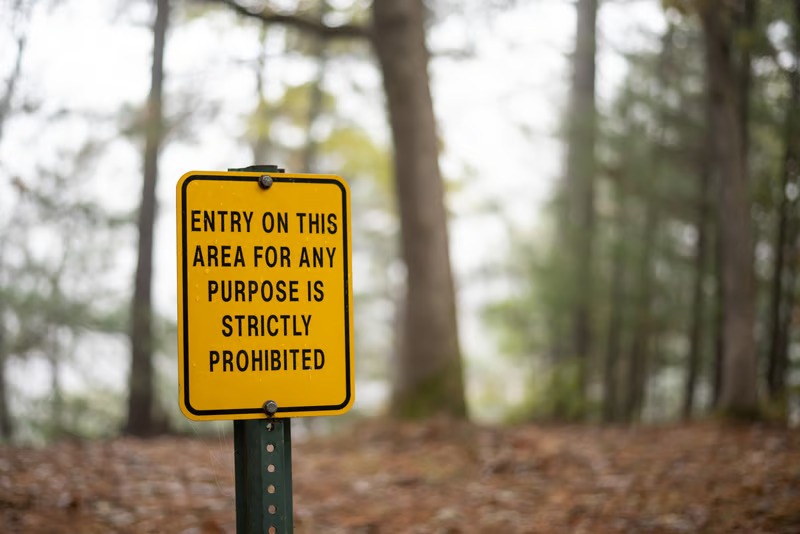
Across the world, natural landscapes face increasing pressure from urban expansion, infrastructure projects, resource extraction, and changing land-use priorities. Forests, wetlands, grasslands, and agricultural lands that once seemed protected by their size or location are increasingly vulnerable to development. As governments and conservation organizations work to address these challenges, private landowners have become essential partners in habitat preservation. Many of the most valuable ecosystems are located on privately owned property, making voluntary conservation strategies more important than ever. Among the most effective tools available are conservation easements, which allow landowners to protect the environmental value of their property while retaining ownership. These agreements have gained popularity because they offer a practical balance between conservation goals and private property rights. For many landowners, conservation easements provide a way to safeguard natural resources, preserve family legacies, and contribute to long-term environmental health without giving up control of their land.
The Role of Private Land in Environmental Preservation
Environmental conservation is often associated with national parks, wildlife refuges, and public reserves. While these protected areas are critically important, they represent only part of the conservation landscape. Large portions of wildlife habitat, watersheds, agricultural land, and ecologically significant ecosystems exist on privately owned property. As a result, conservation efforts increasingly depend on the willingness of private landowners to participate in stewardship initiatives.
Development pressures continue to affect rural and suburban regions. Population growth, housing demand, transportation projects, and commercial expansion often place natural habitats at risk. Even areas that appear remote today may become attractive targets for future development. Landowners who value environmental preservation frequently seek ways to ensure that important ecological features remain protected regardless of future market conditions.
Private land conservation also offers flexibility that public programs sometimes cannot provide. Individual landowners often possess detailed knowledge of their property’s history, ecology, and management needs. Their direct involvement can support more tailored conservation outcomes than broad regulatory approaches. Conservation easements have become a popular solution because they enable landowners to remain active stewards while contributing to larger environmental goals.
The increasing recognition of private land’s role in biodiversity protection has elevated the importance of voluntary conservation tools. Rather than viewing conservation and ownership as competing interests, many landowners now see them as complementary objectives that can work together to produce lasting benefits.
Understanding How Conservation Easements Work
The Basic Structure of a Conservation Easement
A conservation easement is a voluntary legal agreement that permanently limits certain types of development or land-use activities in order to protect conservation values. The agreement is typically established between a landowner and a qualified conservation organization or government entity. While the specific terms vary depending on the property and conservation objectives, the overall purpose is to ensure that important natural, scenic, agricultural, or ecological resources remain protected over time.
One reason conservation easements are widely used is their flexibility. The agreement can be tailored to reflect the unique characteristics of a property and the goals of the landowner. Some easements focus on habitat protection, while others prioritize agricultural preservation, water quality, scenic landscapes, or a combination of conservation objectives.
Because conservation easements are legally binding and generally remain in effect permanently, they provide long-term protection that extends beyond the current owner’s lifetime. Future owners of the property must also comply with the easement’s terms. This permanence is one of the primary reasons conservation organizations view easements as valuable conservation tools.
The legal framework provides assurance that conservation goals will continue to be honored despite changes in ownership, economic conditions, or development pressures.
What Landowners Retain After Establishing an Easement
A common misconception is that placing land under a conservation easement means surrendering ownership. In reality, landowners continue to own, manage, and often use their property after the easement is established. The agreement simply restricts specific activities that could undermine conservation objectives.
Many easements allow ongoing agricultural operations, forestry activities, recreational uses, and residential occupancy. The exact permissions depend on the negotiated terms of the agreement. This flexibility allows landowners to continue benefiting from their property while protecting its long-term environmental value.
The distinction between ownership and development rights is critical. Conservation easements typically limit future development opportunities rather than transferring ownership itself. This structure appeals to landowners who wish to maintain family connections to the property while ensuring that significant ecological features remain protected.
The ability to retain ownership while supporting conservation objectives is one of the strongest reasons many individuals choose this approach over selling land outright to conservation organizations.
Protecting Natural Resources for Future Generations
One of the most compelling motivations for establishing conservation easements is the desire to protect natural resources for future generations. Landowners often develop deep personal connections to their property through years of stewardship, recreation, farming, ranching, or family history. These connections frequently inspire a commitment to preserving the land’s ecological integrity.
Wildlife habitat protection represents a major conservation objective. Many species depend on large, connected landscapes to support breeding, migration, and survival. Fragmentation caused by development can significantly reduce habitat quality and threaten biodiversity. Conservation easements help maintain habitat continuity by preventing incompatible land-use changes.
Water resources also benefit from long-term protection. Wetlands, streams, rivers, and groundwater recharge areas perform essential ecological functions that support both wildlife and human communities. Protecting these resources contributes to water quality, flood mitigation, and ecosystem resilience.
Forests, grasslands, and agricultural landscapes provide additional environmental benefits. They store carbon, support pollinators, maintain soil health, and contribute to regional ecological stability. Conservation easements can help preserve these functions while allowing responsible land management practices to continue.
From a strategic perspective, conservation planning often requires thinking beyond immediate needs. Landowners who establish easements frequently focus on outcomes that may not be fully realized for decades. This long-term perspective distinguishes conservation easements from many other land-use decisions.
Financial and Strategic Benefits for Property Owners
Although environmental stewardship often motivates conservation easements, financial considerations also play an important role. Many landowners seek solutions that align conservation goals with practical economic realities.
Potential tax benefits can make conservation easements attractive under certain circumstances. Depending on local laws and individual situations, landowners may qualify for income tax deductions, estate tax benefits, or property tax considerations. These incentives help encourage voluntary conservation participation while recognizing the public benefits generated by protected land.
Estate planning represents another significant advantage. Families with large landholdings often face challenges related to inheritance, property division, and future development pressure. Conservation easements can help preserve family ownership by reducing financial burdens that might otherwise force property sales or subdivision.
Development pressure itself can create difficult decisions. Rising land values may generate opportunities for development but also increase concerns about losing natural landscapes. Conservation easements provide a mechanism for balancing financial interests with stewardship priorities.
Strategically, landowners increasingly recognize that conservation planning is not solely an environmental decision. It is also a long-term asset management decision. Protecting ecological values can support broader goals related to legacy planning, community engagement, and responsible land ownership.
When approached thoughtfully, conservation easements can create benefits that extend beyond immediate financial considerations.
Why Different Types of Landowners Pursue Easements
Farmers, Ranchers, and Working Landowners
Agricultural producers often view conservation easements as tools for preserving productive working landscapes. Farmland and ranchland face increasing development pressure in many regions, particularly near expanding urban areas. As land values rise, agricultural operations may become vulnerable to conversion into residential or commercial developments.
Conservation easements help address this challenge by ensuring that land remains available for agricultural use. Farmers and ranchers can continue operating while protecting the long-term viability of their land.
Many agricultural producers also recognize the environmental benefits of sustainable land management. Healthy soils, clean water, pollinator habitat, and biodiversity contribute directly to agricultural productivity. Conservation easements can support these outcomes while reinforcing long-term stewardship goals.
For multigenerational farming families, preserving agricultural heritage often carries emotional significance as well. Easements help maintain connections between future generations and the landscapes that shaped their family’s history.
Families, Investors, and Conservation-Minded Owners
Not all conservation easement participants are involved in agriculture. Many private landowners pursue easements because they value wildlife, scenic beauty, recreation, or environmental protection.
Families who have owned land for generations frequently view conservation easements as a way to preserve a lasting legacy. They want future family members to experience the same landscapes and natural features that have shaped their own lives.
Conservation-minded investors may also use easements to align property ownership with sustainability objectives. These individuals often view environmental stewardship as part of responsible asset management.
Some landowners are motivated by community impact. Protecting open space, wildlife habitat, and scenic landscapes can generate benefits that extend far beyond property boundaries. Conservation easements provide a mechanism for contributing to broader conservation efforts while retaining personal ownership interests.
This diversity of motivations helps explain why conservation easements appeal to a wide range of property owners.
Common Concerns and Challenges Before Making a Decision
Despite their benefits, conservation easements require careful evaluation. The decision involves long-term legal commitments that deserve thorough consideration.
One common concern involves future flexibility. Landowners may worry about limiting options for future generations or responding to changing circumstances. Understanding the specific terms of an easement is essential because restrictions vary significantly between agreements.
Legal complexity can also create uncertainty. Conservation easements involve detailed documentation, negotiation, and long-term monitoring requirements. Professional guidance from attorneys, land planners, and conservation experts is often necessary to ensure informed decision-making.
Balancing conservation objectives with practical land management needs presents another challenge. Landowners must consider how restrictions may affect future agricultural operations, recreational activities, infrastructure improvements, or family plans.
Due diligence is particularly important because conservation easements are generally permanent. The decision should reflect both current priorities and long-term considerations. Successful easement projects typically result from careful planning rather than rushed decision-making.
Addressing these concerns proactively helps landowners develop realistic expectations and create agreements that support their goals effectively.
The Broader Impact of Conservation Easements on Communities
The benefits of conservation easements often extend well beyond individual properties. Protected landscapes contribute to community well-being in numerous ways.
Scenic open spaces help maintain local character and support tourism, recreation, and quality of life. Residents frequently value natural landscapes as defining features of their communities.
Conservation easements also contribute to ecological connectivity. Individual protected properties can function as part of larger conservation networks that support wildlife movement and ecosystem resilience.
Educational opportunities may emerge as well. Protected lands can serve as examples of responsible stewardship, demonstrating how conservation and private ownership can coexist successfully.
Economic benefits are often overlooked but can be significant. Healthy ecosystems support industries such as agriculture, forestry, recreation, and tourism. Environmental protection can therefore contribute indirectly to long-term economic stability.
By creating lasting conservation outcomes, easements generate public benefits while respecting private property rights.
The Future of Conservation Easements in Habitat Protection
The importance of conservation easements is likely to grow as environmental challenges become increasingly complex. Climate change, habitat fragmentation, biodiversity loss, and resource pressures are creating new demands for long-term conservation strategies.
Voluntary conservation tools are expected to play an increasingly important role in addressing these challenges. Landowners possess the ability to influence large portions of the landscape, making their participation essential for successful conservation efforts.
Technological advances are also improving conservation management. Geographic information systems, remote monitoring tools, and ecological assessment methods allow organizations to better evaluate and support protected properties.
Public awareness of environmental issues continues to increase as well. More landowners are exploring ways to contribute to sustainability while maintaining ownership and control of their property.
The future of habitat conservation will likely depend on strong partnerships between private landowners, conservation organizations, communities, and policymakers. Conservation easements provide a proven framework for supporting these partnerships and creating lasting environmental benefits.
Conclusion
Conservation easements have become one of the most effective tools for balancing private property ownership with long-term environmental stewardship. They allow landowners to protect wildlife habitat, preserve natural resources, maintain agricultural landscapes, and support conservation goals without surrendering ownership of their land.
Their popularity stems from a combination of environmental, financial, and strategic advantages. Landowners can preserve family legacies, reduce development pressures, support biodiversity, and contribute to community well-being while maintaining a meaningful connection to their property.
As habitat protection becomes increasingly important in a rapidly changing world, conservation easements offer a practical and flexible solution. By encouraging proactive stewardship and long-term planning, they help ensure that valuable landscapes remain protected for future generations while respecting the rights and goals of those who own and care for the land today.